There is no single rack that meets every need, so the first question is simple: where does the bike normally stay? A Chinese article on indoor versus outdoor racks starts there. This post follows that logic and explains how to choose between an indoor and an outdoor bike rack.
Note: the narration in this Short is in Traditional Chinese, with on-screen captions.
Indoor bike racks: save space and look good
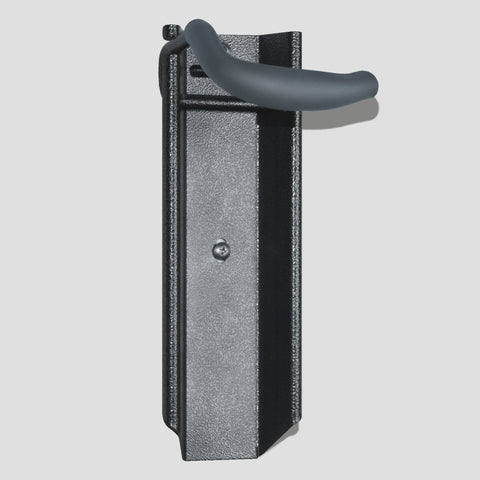
Indoor racks put the emphasis on space-saving and appearance, and they protect the bike from wind, rain and theft. They suit apartments, small homes and offices. Typical designs are wall-mounted, vertical and decorative. The limit is space, since an indoor rack usually only works for a few bikes.
Outdoor bike racks: durable and multi-bike
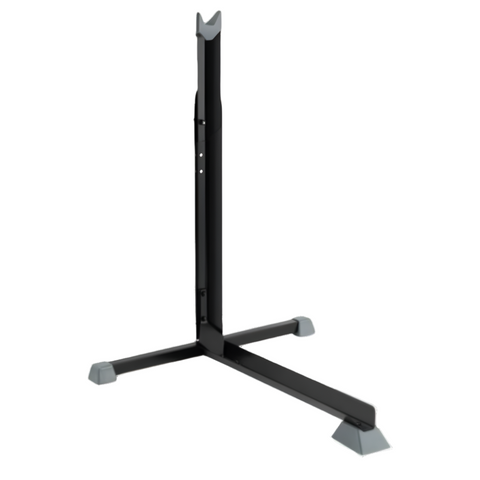
Outdoor racks put the emphasis on durability and on holding many bikes. They suit garages, yards and public spaces. Common materials are powder-coated steel, stainless steel and multi-bike frames. The trade-off is that they are heavier and need more room to install.
Ask yourself where the bike really stays
Make a list of where your bike is parked on a typical week: at home, at work, at the station. If it sleeps at home in a flat, think indoor. If it lives in a garage or yard, think outdoor. If it moves between places, you may need both.
Mixing the two for different bikes
Some households use an outdoor rack for the family commuter bikes and an indoor wall mount for the good bike. This avoids compromise and protects the bike that matters most. Think about each bike’s role instead of looking for one rack for all.
A note on weather in Taiwan
Humidity and rain are constant, so materials matter for outdoor racks. Powder-coated steel and stainless steel resist rust, and covers add protection. Our post on outdoor e-bike stands adds more on this.
Examples of indoor and outdoor situations
A small apartment with a bike in the hallway calls for a space-saving indoor bike rack on the wall or a vertical stand. A house with a garage and several family bikes calls for an outdoor bike rack made from coated steel, with room for many bikes. A shop or office may need both: an outdoor rack for visitors and an indoor option for staff.
Costs and installation compared
Indoor racks tend to be lighter and quicker to install, though wall models need drilling. Outdoor racks are heavier, may need to be bolted to the ground and need more room, but they last well and hold more bikes. Count the total cost, including fixings and time, not only the price of the rack.
Questions to answer before you buy
Where does the bike sleep? How many bikes must fit? Does it rain on the parking spot? Can I fix things to the wall or ground? Is security a concern? Write down the answers and you will usually find that the choice between indoor and outdoor is already made.
A short decision guide
Choose indoor if the bike sleeps in a flat, you care about looks and you have few bikes. Choose outdoor if you have a garage or yard, many bikes, or a shared space. Choose both if you own a valuable bike and a few everyday bikes. Whatever you decide, protect the bike from rain and use a lock when it stays in a place that other people can reach.
Frequently Asked Questions
Can an indoor rack be used outside?
Indoor racks are designed for space-saving and looks, not weather, so they are not intended for outdoor use.
Which holds more bikes?
Outdoor multi-bike racks generally hold more than indoor designs.
What matters most in choosing?
Where the bike usually sits, because that sets the weather and space conditions.
Find the right rack for your parking spot at Storage for Bicycles.
#bikestand #bikeparking #bikerack #bikestorage #StorageForSports #outdoorrack #indoorrack #bikeparking #garagestorage #腳踏車停車架 #腳踏車停車 #腳踏車駐車架